While references to a plant considered to be rice can be found in the writings of Sophocles and Herodotus, more solid evidence of its presence in Europe can be traced back to the 14th century, where customs records show imports of rice, most commonly as a spice, largely to be used in deserts. The growth of rice as a foodstuff is attributed to the devastating plague of the mid-14th century, which decimated Italian agriculture and left remaining farmers searching for highly productive agricultural products. Its growth throughout the late 14th and 15th centuries has given the reputation to rice as a "renaissance vegetable", and certainly, in Italy, the area cultivated grew from 5000 to 50,000 hectares by the middle of the XVI century. Only one variety of rice, nostrale, was cultivated until the mid-19th century, leaving the plant vulnerable to disease.
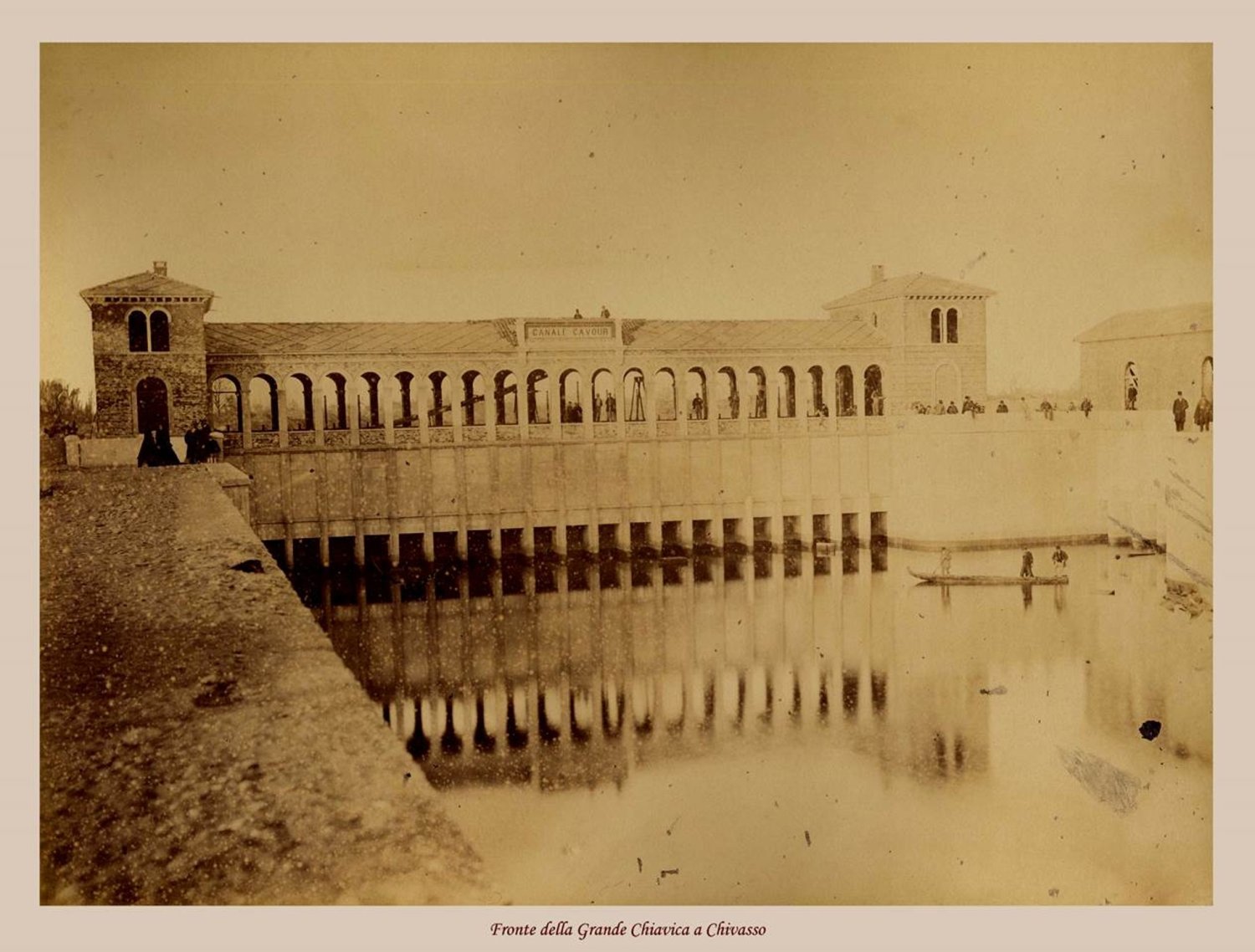
In 1839, a Jesuit priest, Father Calleri extended the variety of plants, having brought the seeds of 43 varieties of Asian rice from the Philippines to Italy, thereby launching modern rice cultivation. Rice cultivation was further boosted in this period by the building of large irrigation systems. In 1853, farmers in Vercelle established the largest irrigation system of its day, using the new water supply system to flood the fields and counter the considerable divergence between day and night temperatures. The management of water was further enhanced in 1866 by the construction of the Cavour Canal, which allowed the distribution of water from surrounding rivers to around 400,000 hectares of farmland. This period also saw the emergence of the rice industry with the development of modernised machinery manufactured in Italy, Germany and England.
In the 2024/2025 marketing year, approximately 400,000 hectares of rice were cultivated across the European Union. Italy and Spain accounted for around 78% of the EU’s total rice-growing area, as shown in the table below.
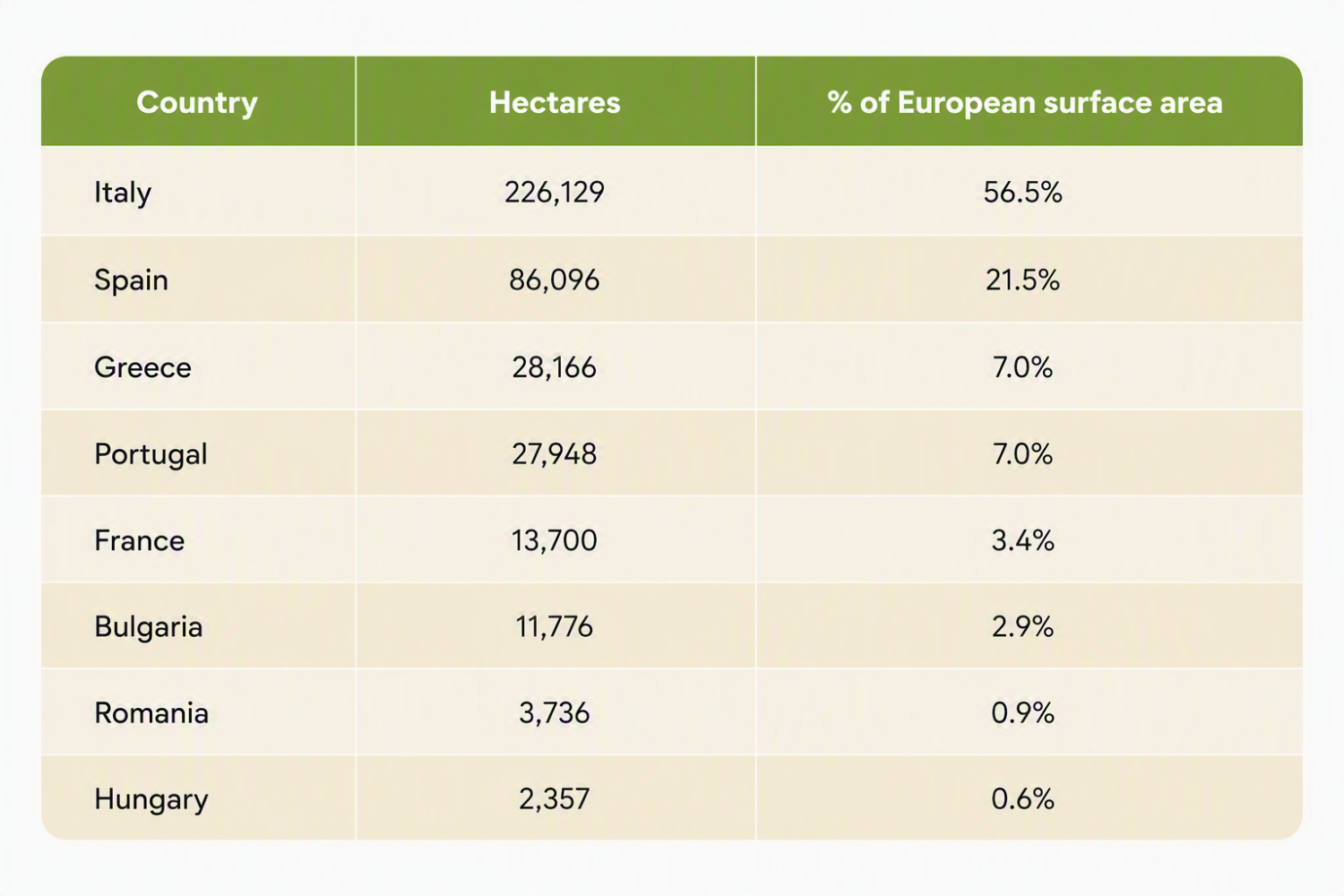
Source: European Commission, Agri-food Data Portal, Rice Production Dashboard, Marketing Year 2024/2025. Data last updated on 27 August 2026.
The milling process
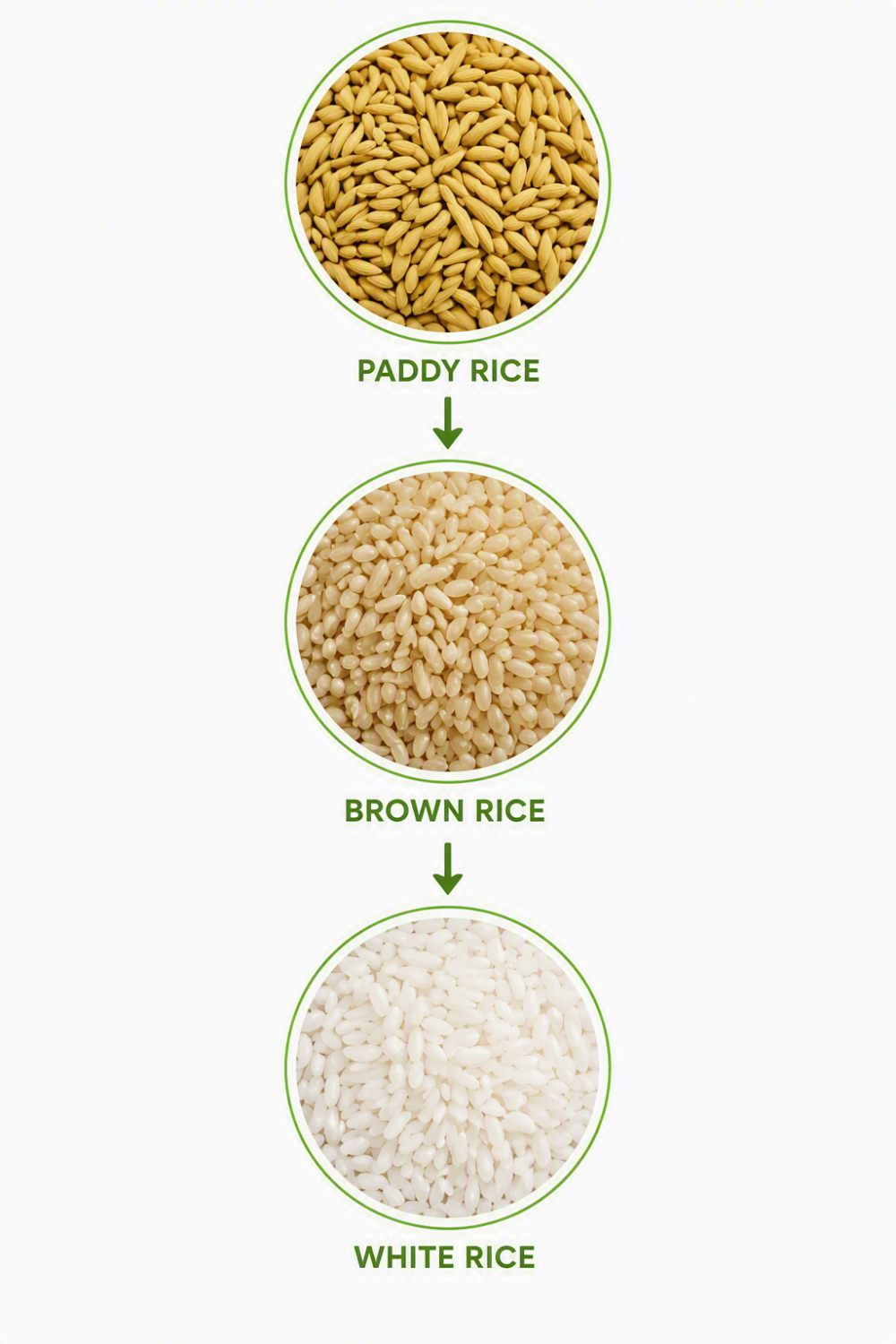
The paddy rice that comes from the fields undergo a series of operations to achieve the high-quality product favoured by European consumers.
1. Pre-cleaning
When paddy rice (grains still in protective hull or husk) arrives at the mill, it will typically contain foreign materials such as straw, weeds, seeds and soil. These are removed in a first pre-cleaning process.
2. Removing the husk (dehusking or dehulling)
The paddy rice will be passed between two abrasive surfaces in order to remove the husk, producing brown rice. The rice husk, accounting for around 20% of the paddy weight, is increasingly used in the production of energy.
3. Milling
The brown rice is then milled or polished in order to remove the bran layer and the germ from the paddy. The bran, typically amounting to around 10% of the total paddy weight, is often used as animal feed. To reduce the number of broken grains during the milling process, rice is normally passed through two to four whitening machines connected in series.
4. Separation of white rice
After milling, white rice is separated from, large and small broken rice, by an oscillating screen sifter.
Source: This information draws, in part, from the International Rice Research Institute (IRRI) Rice Knowledge Bank in accordance with the Creative Commons license.
Types of rice
Over 90,000 samples of cultivated rice and wild species are stored at the International Rice Gene Bank and these are used by researchers all over the world. The primary difference in these rices is their cooking characteristics, and, in some cases, a subtle flavour differences. From the nutritional standpoint, they are equal, and indeed can often (with the exception of arborio and waxy rice) be interchanged in recipes. In simple terms, there are three families of rice:
Short/Round grain
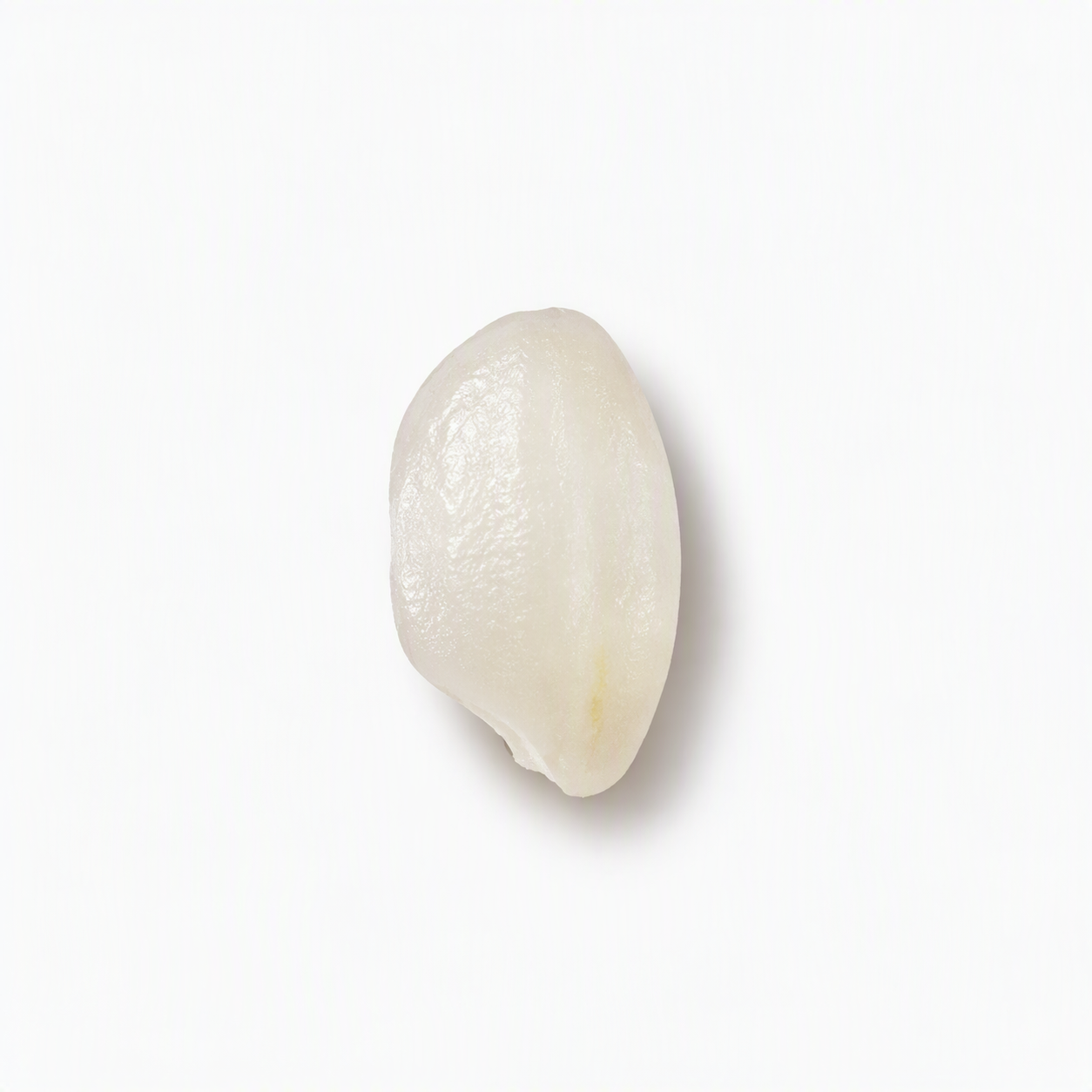
Short grain rice tends to be almost round and are typically moist when cooked, giving sticky rice which is perfect for deserts and puddings. This rice is also used in preparing sushi.
Originario
With short and round grains, this Italian rice has a high absorption capacity which makes it ideal for soups, dishes to be cooked in the oven, rice pudding, rice cakes and other deserts.
Bomba
Bomba rice is grown in different regions of Spain, mainly in Valencia and Delta del Ebro. Bomba can absorb three times its volume in liquid, but expands only in width and not in length. These characteristics make it particularly suitable most famously for rice dishes such as Paella, but it is also commonly used in soups.
Medium grain
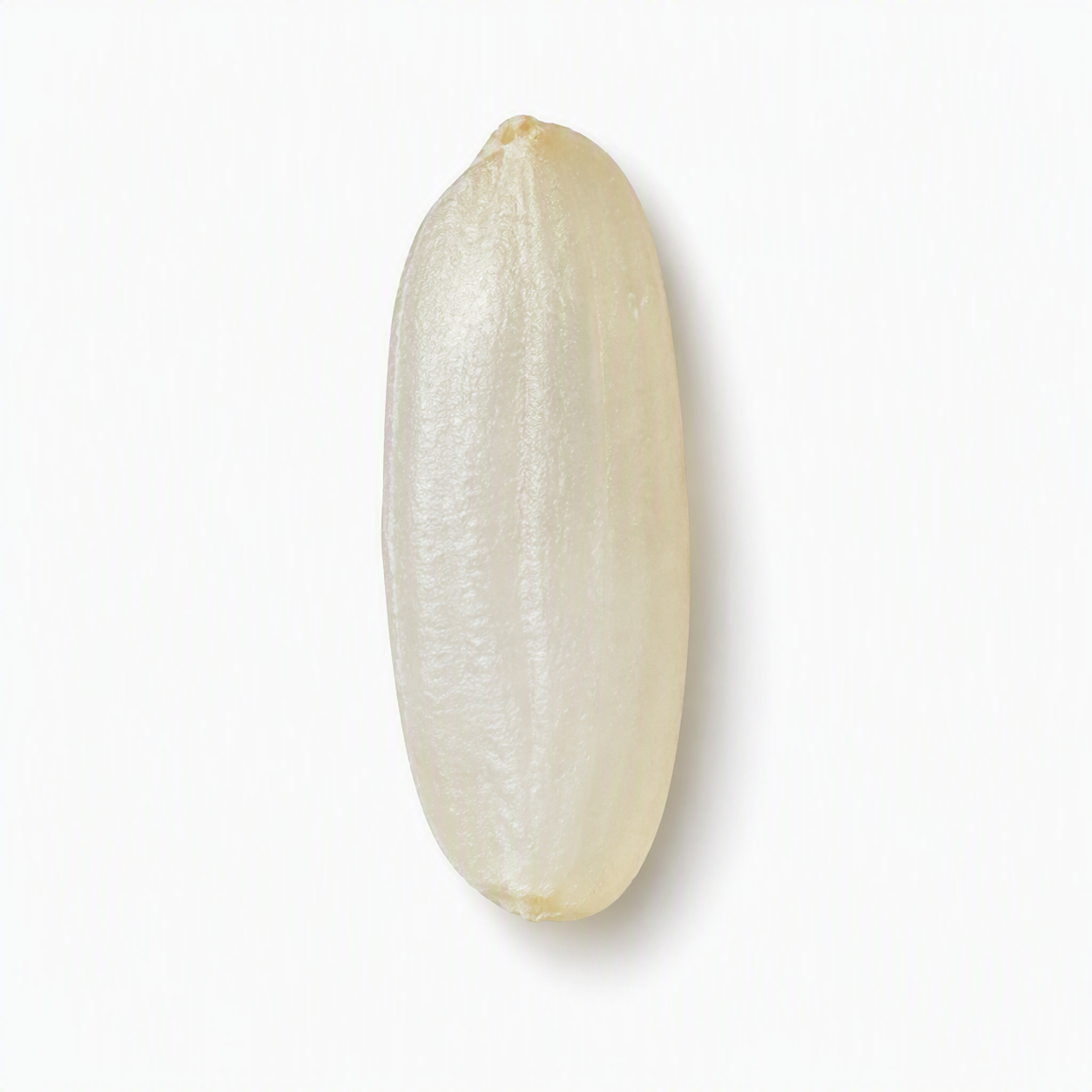
In Europe, medium grain rice is typically associated with risottos as typically creamy when cooked. Also particularly suitable for puddings, deserts and other dishes where liquid is used.
Arborio
Named after the town in Piedmont, Italy, Arborio grains are oval in shape and milky white. They have a high amylose content, which provides for a creamy rice ideal for risottos.
Carnaroli
Grown in northern Italy, and characterised by a higher starch content and firmer grain rices, Carnaroli is the first choice for many Italians when preparing risotto. Its particularly high amylose content helps maintain its shape, whilst giving the rich creaminess associated with risotto.
Vialone Nano
Grown in the province of Verona, Italy, Vialone Nano is another popular risotto rice, which maintains its shape, whilst absorbing liquid during cooking to provide a creamy risotto texture. Having been granted a Protected Geographical Indication by the EU, it can only be grown within the 24 municipalities of Verona.
S. Andrea
One of the newer varieties of Italian risotto rice, S.Andrea with smaller grains than some traditional varieties is an easy to cook variety. Its high amylose content makes it ideal for risotto, but it is a versatile variety that is difficult to overcook and can also be used in other rice dishes such as puddings.
Carolino
Carolino rice varieties are grown in the 3 most important production regions of Portugal (Coimbra in the north - Mondego river / Lisbon in center - Tejo river / Setubal in the south - Sado river). These rice varieties including Ariete, EuroSIS, Ronaldo and, Albatros belong to the japonica family with a lower amylose content. Carolino rice remains firm and tender when cooked, absorbs flavours and colors and makes a creamy sauce, making it ideal for the preparation of stews, tomato-based and fish/seafood dishes that are typically prepared in Portugal.
Roma
Of all the medium-grain Italian risotto rices, Roma has the largest and longest grains. Releasing considerable starch during cooking, it is suitable for creamy risottos and has a slightly shorter cooking time than traditional risotto grains. A highly absorbent rice, it can also be used in sauces and puddings.
Ribe
Widely grown in the valley of the river Po in Italy, Ribe is a versatile variety suitable for boiling, steaming or pilaf. While it can be used in risottos, it is suitable for a range of dishes using liquid such as vegetable soups or minestrones. Ribe is also typically used in rice salads.
Long grain rice
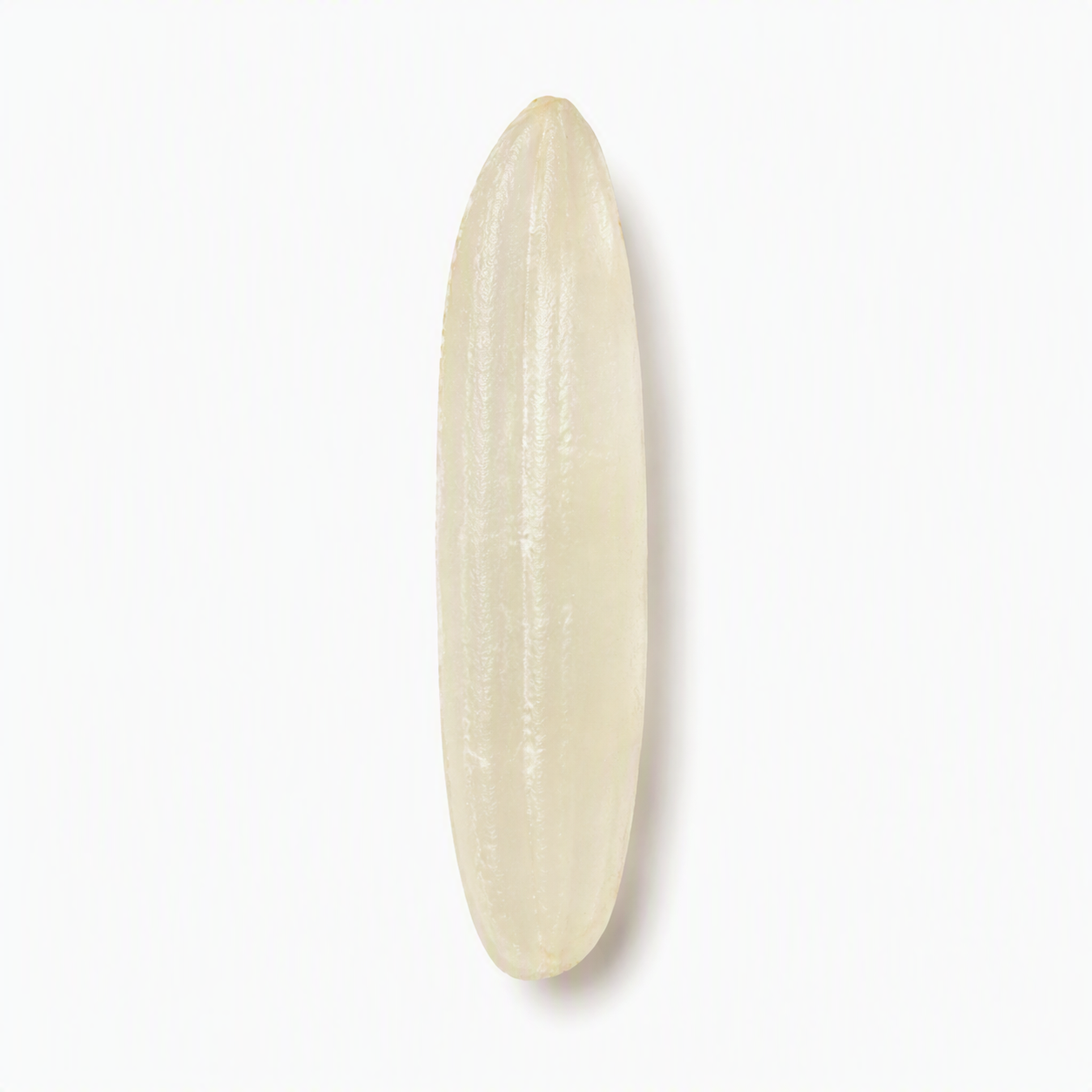
Long grain rice has longer slender kernels which remain firm, separate and retain their shape after cooking. Long grain rice will typically be used as a side dish or in those issues where it is preferable for rice to remain firm. Regular long grain rice expands both in length and width when cooked. It is a fairly all-purpose rice is grown in Europe and also imported from various origins in Asia and Latin and North America.
Basmati rice
An aromatic long grain rice originating from those regions surrounding the foothills of the Himalayas in India and Pakistan. When cooked, the grains so considerably in length but not in width giving long, slender grains which are not sticky and characterised by a light aroma.
Jasmine rice
Jasmine rice or fragrant rice is well-known for its subtle nutty aroma. Cultivated originally in Thailand, Jasmine rice is now also grown over the border in Cambodia. Jasmine rice is a long grain rice with a softer and stickier texture. However the grains remain firm when cooked.
Brown rice
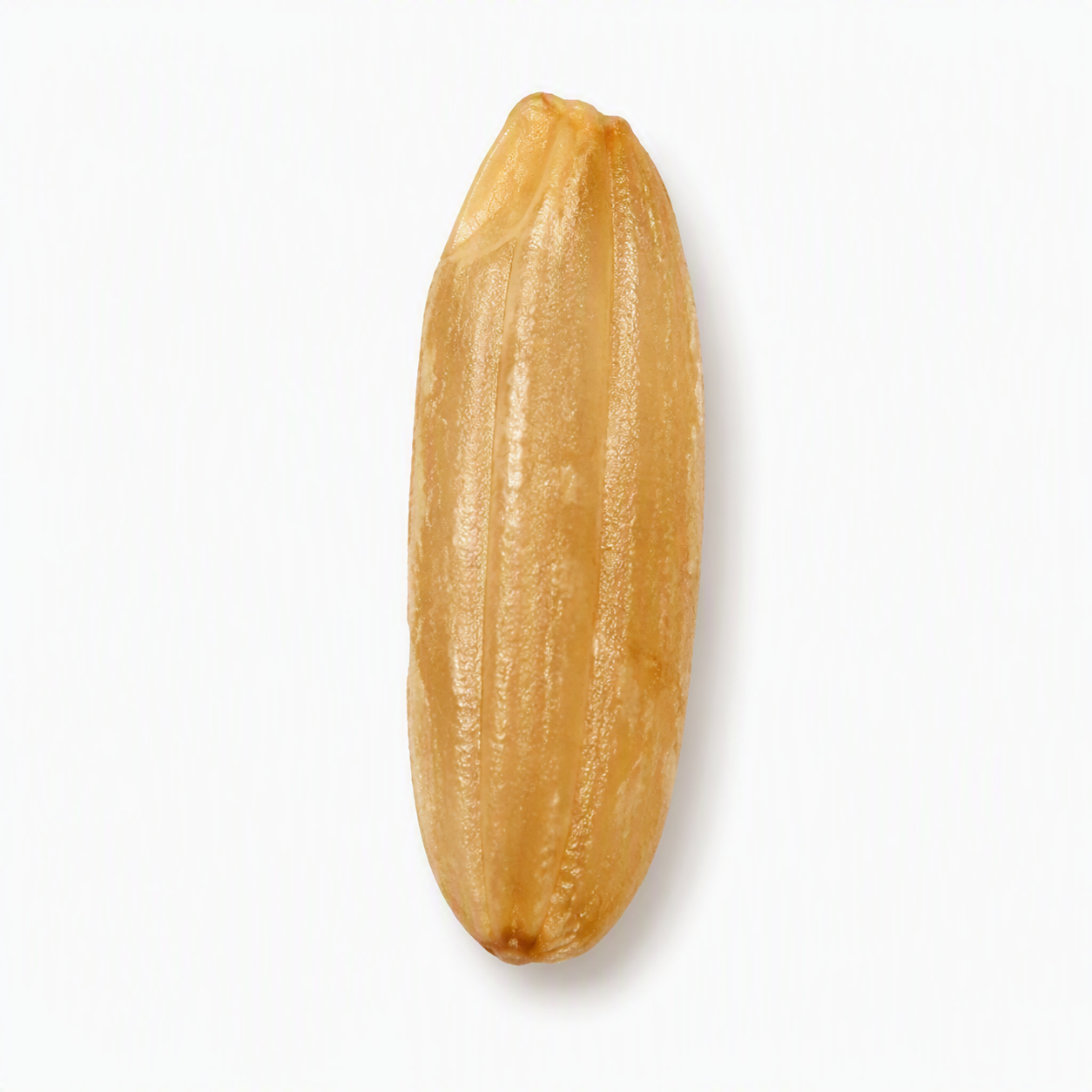
Unlike white rice, brown (wholegrain) rice has not had the bran layers and germ removed, therefore retains a nutty flavour and chewy texture. Although all grains – short, medium and long – may be prepared as wholegrain rice, brown long grain rice is most commonly found in Europe. Brown rice is generally considered to be a healthier choice of rice due to the additional fibre, vitamins, minerals that are retained in the bran layer. Brown rice takes much longer (up to 2 times longer) to cook.
Wild Rice
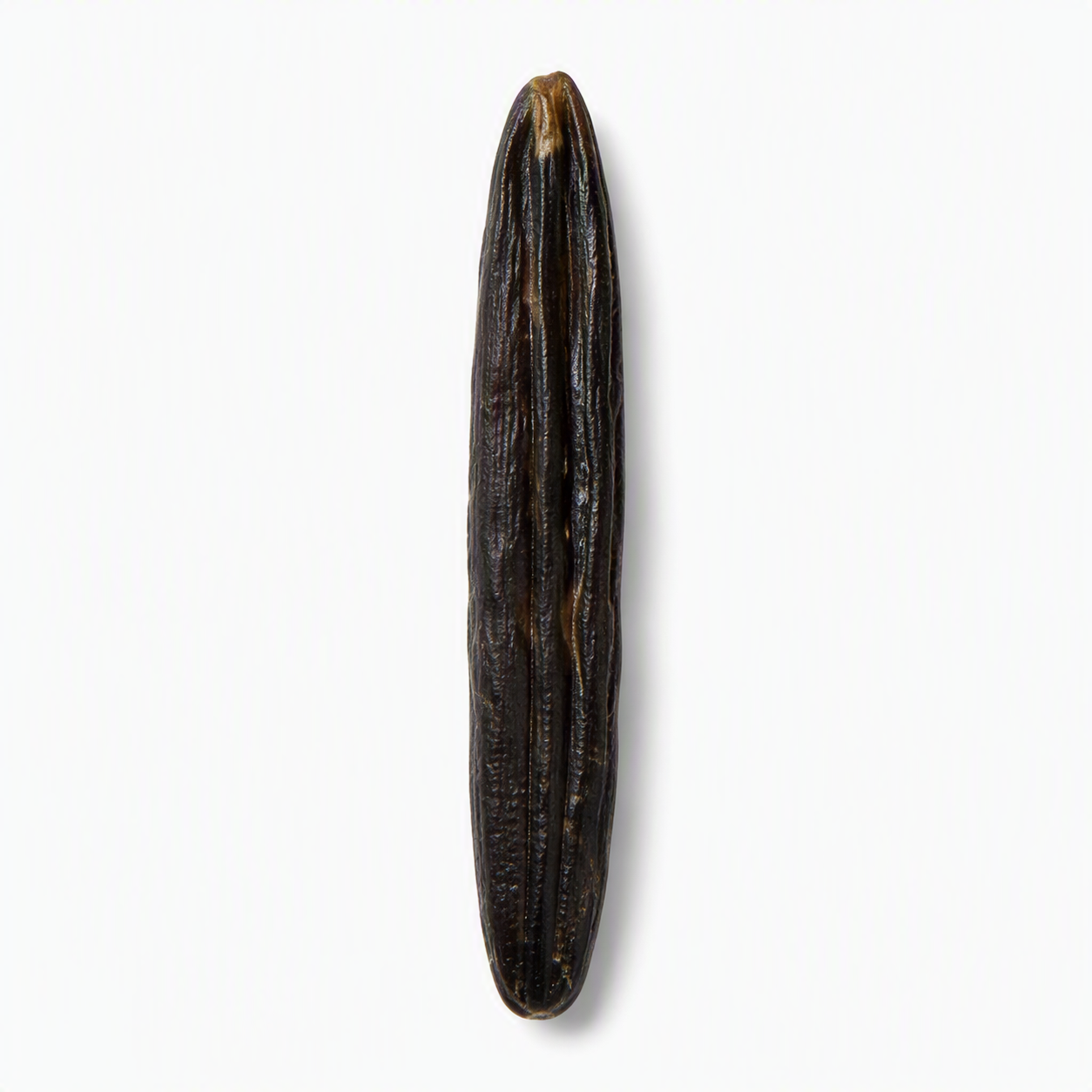
Nuttier and chewy still than wholegrain rice is wild rice, strictly speaking not a rice, but rather a water grassa plant predominantly grown in North America.